
Dry ageing and Wagyu are not the same conversation
Menus in Kuala Lumpur often print “dry aged” and “Wagyu” as if they were twins. They are not. Dry ageing is a controlled storage process. Wagyu refers to cattle genetics and feeding systems associated with heavy marbling. You can dry-age non-Wagyu beef, and you can serve Wagyu that was never dry-aged. A primer such as this dry-aged beef explainer helps separate the terms before you compare prices on a steak list.
Encyclopedic background on beef cuts and cooking appears in references like Britannica’s beef overview, while research summaries on ageing chemistry sit in papers such as this PMC review of meat ageing mechanisms. Neither replaces tasting, but both keep marketing language honest. When a waiter can explain cut and days without reading the menu upside down, trust rises quickly.
Also notice portion language. Some lists quote weight before trimming; others quote the steak as plated. Ask which one you are paying for so the premium attached to ageing is not confused with a simply larger raw piece.
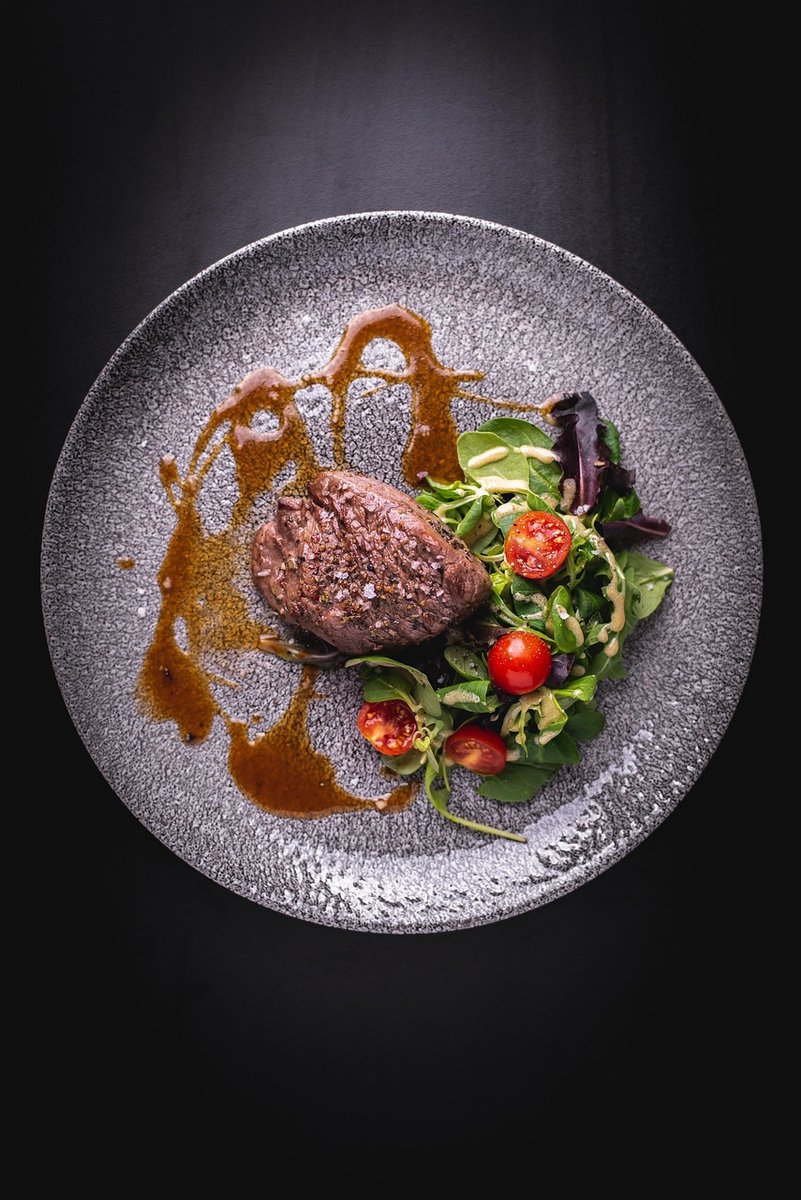
What actually happens during dry ageing
In a dry-age room, temperature, humidity and airflow are watched so moisture leaves the surface while enzymes break down muscle proteins. Flavour concentrates. A dried crust forms and is trimmed away, which is one reason dry-aged steaks cost more per edible gram. Wet ageing in vacuum bags tenderises with less weight loss and a milder flavour shift. Preferring one style is taste, not virtue.
Ask how many days the cut was aged and which primal it came from. A twenty-one-day strip and a forty-day ribeye will not behave the same under heat. Kitchen discipline matters as much as the chamber. For a neutral process overview, the Wikipedia dry ageing page is a quick orientation, used here as a definitional aid rather than a dining guide.
George Motz walks through the science and cost drivers behind dry-aged steak.
Choosing a cut and cooking method
Thicker steaks forgive beginners. Thin ones overcook while you plate the sides. Pat surfaces dry, season simply, and give the pan or grill enough heat for a crust without burning the fat. Rest the meat so juices redistribute. If a restaurant lists both dry-aged and wet-aged options, ask which cut they recommend for first-timers; good floors staff answer without upselling theatre.
Fine dining rooms in KL often pair steak service with tasting menus and wine guidance. Soft context pages on fine dining in KL show how the wider meal is framed. Use them to understand pacing, not as a shopping list. Happy-hour notes such as this happy hour overview belong to a different decision: drinks timing versus a dedicated steak dinner. Mixing both goals in one sitting often means the steak waits too long under a heat lamp while cocktails arrive first.
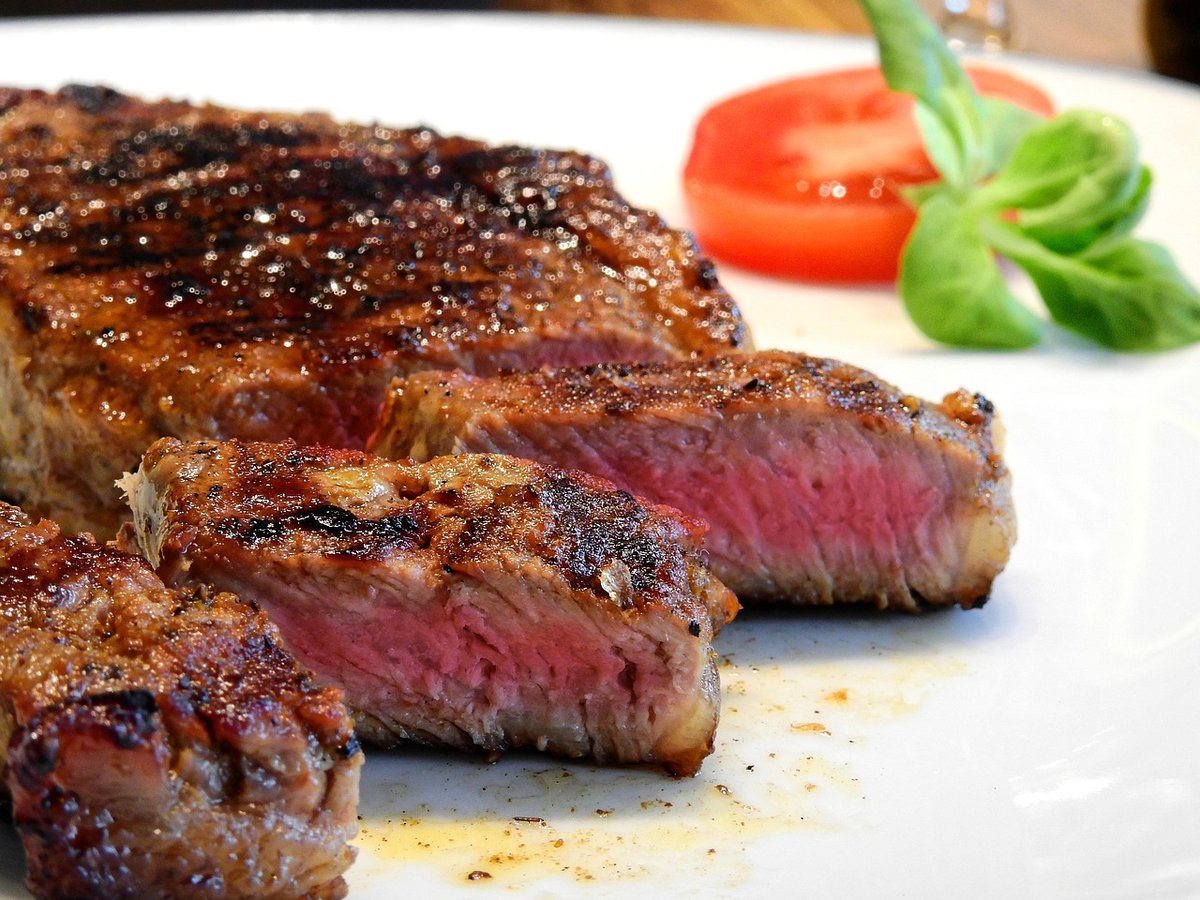
Reading the bill and the menu with the same eyes
Price reflects trim loss, time in the chamber, grade and service. A cheaper “aged” label without days or cut details is a weak claim. Ask. If the answer is vague, order something the kitchen cooks constantly instead. Consistency beats mystique when you are hungry on a weeknight.
Share the steak if the portion is large. Order one confident side rather than four afterthoughts. Notice whether the meat smells clean and nutty rather than sour. Those small checks teach faster than another ranking list. If you are comparing two rooms, compare the clarity of answers before you compare chandelier height.
A simple tasting note to keep
After the meal, write three words: cut, days aged if known, and whether you would reorder. That private note beats screenshotting menus you will never revisit. Dry-aged beef rewards curiosity paired with restraint. Learn the vocabulary, taste carefully, and let the chamber earn its premium one plate at a time. The next visit will be easier because you already know what “too funky” means for your own palate.