

Growth usually starts with a quieter question than “how much can I borrow”
Owners of small firms often describe the same turning point. Orders are steady, the team is stretched, and someone suggests that a bigger loan would fix everything. Sometimes it does. More often, the business first needs to know which part of its operation is actually holding it back, because borrowing to scale a weak process simply makes the weakness more expensive.
The habits below come from how growing SMEs tend to prepare before they approach a lender. They apply whether you run a contract manufacturer with ten machines or a single community pharmacy hoping to open a second outlet.
Know which customers and products really pay the bills
Pull twelve months of sales and sort them by customer and by product line. Many owners find that a small group of buyers brings most of the margin, while a long tail of small orders eats staff time. Growth then means winning more customers who look like the profitable ones, not chasing every enquiry.
Market research, a clearer online presence, better customer experience and tidier operations are the usual levers. A practical list of strategies for scaling a small firm sets these out in order, and it is a useful checklist to compare against where your own time and money are going each month.
Fix the bottleneck before you fund the expansion
In a factory, the constraint might be one slow machine, a cramped loading bay or a rented unit with no space for a second shift. In a pharmacy, it might be dispensing time at peak hours, stock outs on fast moving lines, or a location with weak foot traffic. Measure the bottleneck in plain numbers first: hours lost, orders declined, sales missed.
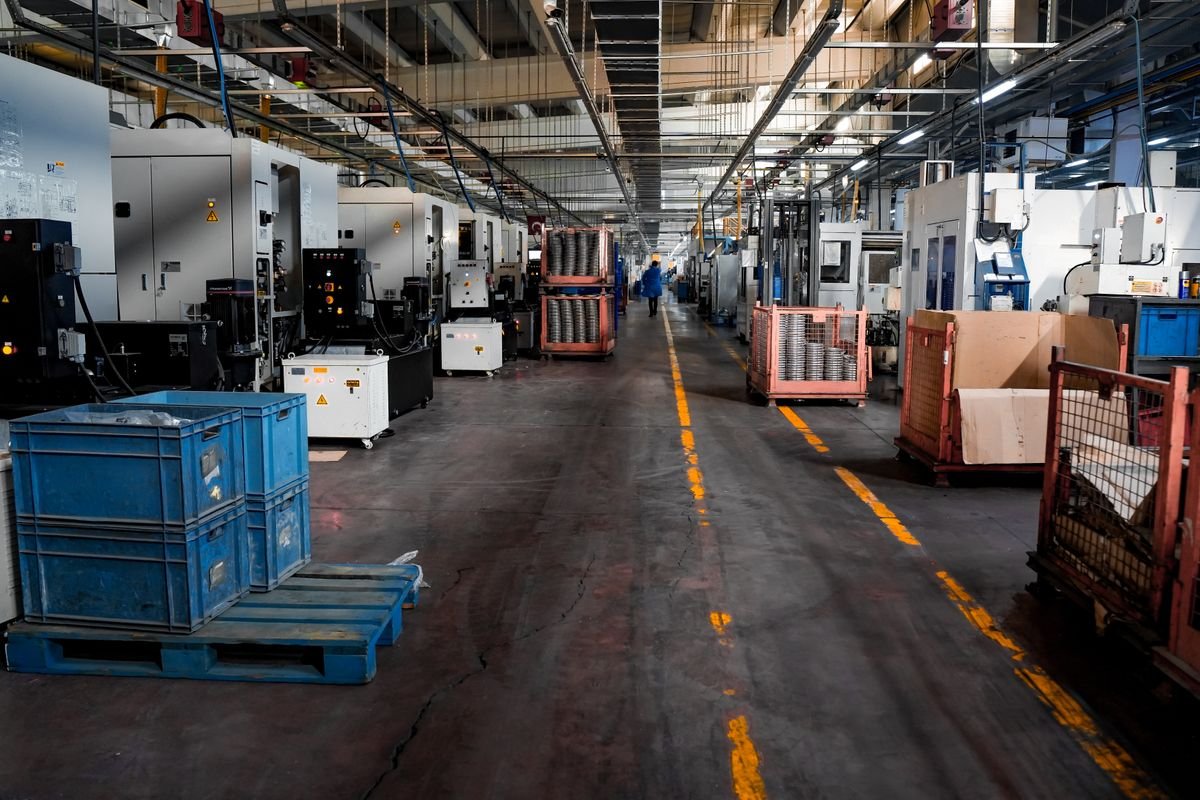
Once the constraint is clear, the type of financing becomes clearer too. Working capital covers stock and payroll gaps. Equipment financing matches the life of a machine. For a manufacturer that has outgrown rented premises, it helps to understand how factory financing spreads the cost of a building over a long tenure instead of draining cash meant for daily operations.
Where SME financing fits, and who to ask
Malaysian SMEs have more routes to financing than many owners realise. Bank Negara Malaysia’s funds for SMEs aim to provide financing at reasonable cost across all economic sectors, and the money is channelled through participating banks and development financial institutions, which still apply their normal credit assessment.
When you are ready to compare lenders, the Association of Banks in Malaysia keeps a directory of SME contact points at member banks offering SME financing, which saves time hunting for the right desk. Development lenders are worth a look as well. Pharmacy owners in particular should check eligibility filters such as company size, sector, years in operation and Malaysian ownership on MIDF’s SME financing portal before preparing a full application.
A six minute overview of the business life cycle, handy for judging which stage your company is really in.
Paperwork that makes the conversation shorter
Lenders move faster when the story is already written down. Prepare two years of financial statements, recent bank statements, a simple cash flow forecast, and a one page note on what the money will change: more capacity, a new outlet, faster delivery. Add quotations for any equipment or renovation. A pharmacy might include expected prescription volumes, and a manufacturer might attach confirmed purchase orders.
Keep the forecast conservative. If the plan only works when every month is a record month, it is not ready yet.
A short plan for the next quarter
Pick one bottleneck, measure it for four weeks, and decide whether a process change could fix it without borrowing. If not, size the financing to that single fix and talk to at least two lenders. Small, well evidenced steps tend to build the track record that makes the next, bigger application far easier.